
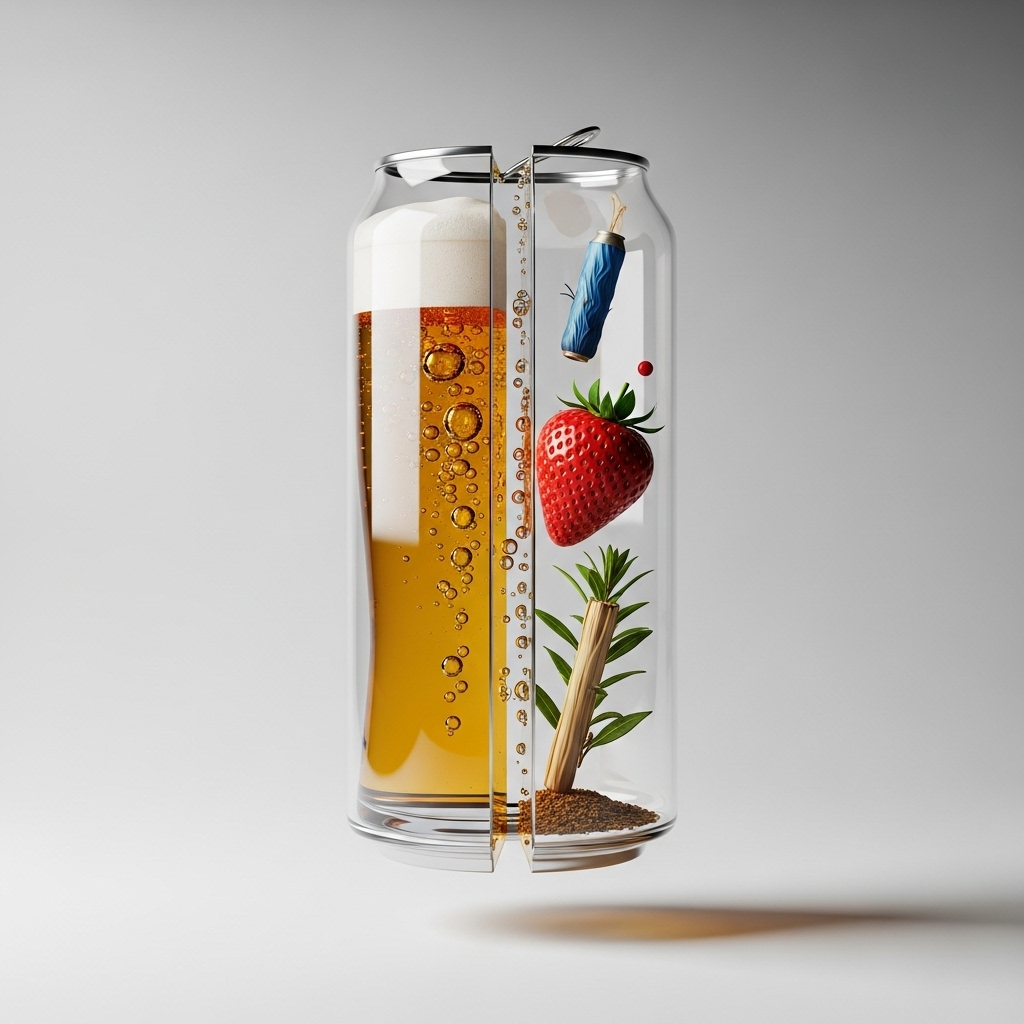
Multi-Strain Fermentation
How combining multiple microorganism strains in a single fermentation unlocks flavor complexity and functional compounds impossible with single-strain approaches.
Traditional fermentation relies on a single microorganism to do all the heavy lifting. While this approach is reliable, it leaves enormous potential on the table — especially when it comes to flavor complexity, bioactive generation, and process resilience.
Multi-strain fermentation changes the game by introducing carefully selected combinations of bacteria and yeast into a single vessel. Each strain brings a distinct enzymatic toolkit, and when orchestrated correctly, the consortium produces metabolites that no single organism could generate alone.
Strain Capability Comparison
Single-strain vs multi-strain consortium performance across key fermentation metrics.
At Kulture Rebellion, we use proprietary strain libraries and AI-guided selection to design multi-strain consortia tailored to specific beverage targets. Whether the goal is a complex aromatic ester profile for a premium wine or a specific postbiotic for a functional drink, the strain combination is engineered from the ground up.

The result is a fermentation platform that can produce beverages with deeper structure, richer aromatics, and genuine functional benefits — all within standard production equipment.